


Plant growing
How important was agriculture to the mankind?
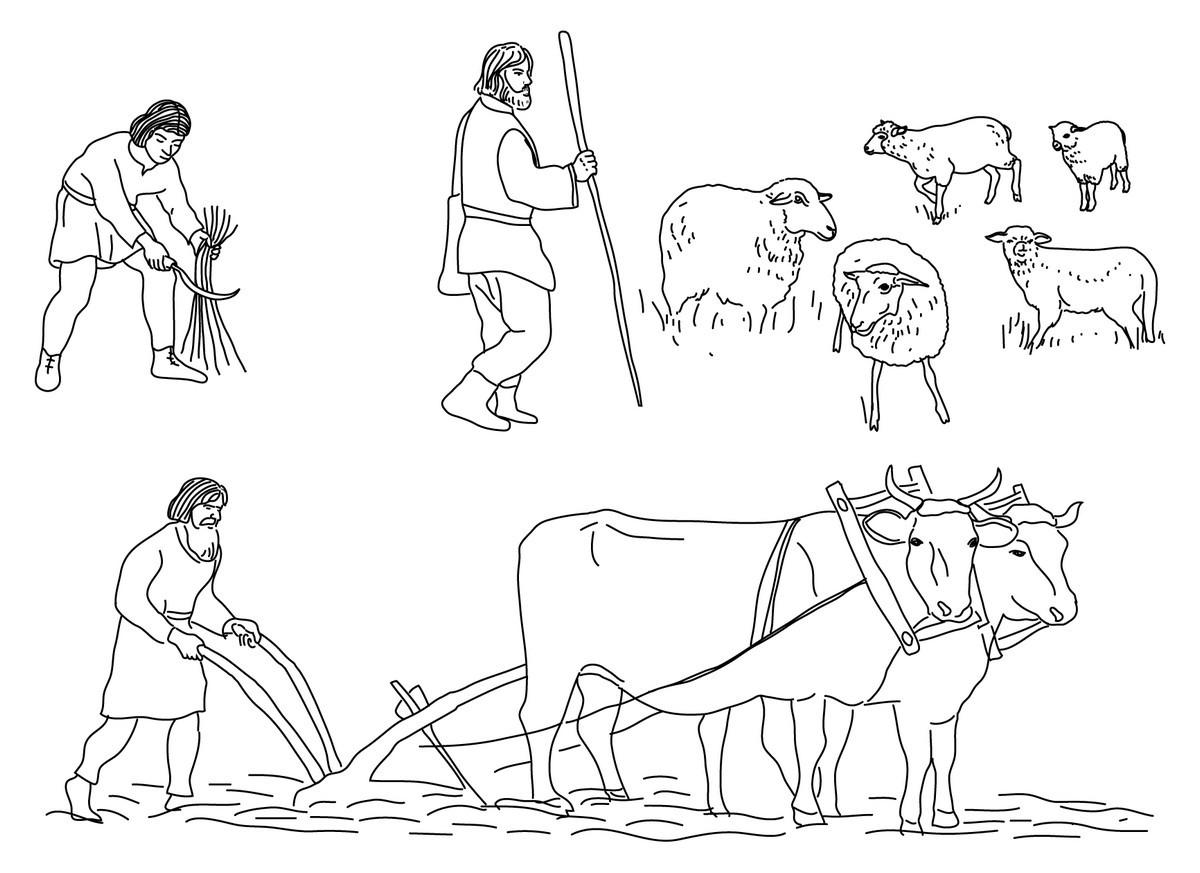
Field work
The New Stone Age (Neolithic) saw a fundamental change in the way of human life. People abandoned hunting and gathering and began to breed animals and cultivate plants (so-called Neolithic revolution). Neolithic humans became agriculturalists. On our territory the earliest farmers appeared in the 6th millennium BC. This was a great change because agriculturalists switched to a sedentary way of life and produced more than they were able to eat and consume. Thanks to this, trade has developed and the society was divided in a more complicated way into peasants, merchants, rulers and others. These conditions induced the development of the earliest states.
How archaeologists obtain information on prehistoric agriculture?
Among the evidence which archaeologists find in the ground during their research are, for example, plough marks or remnants of various wooden, bronze or iron agricultural tools (ploughshares, hoes or shovels). Sometimes they even find plant remnants which were deposited in various containers intended for storing grain, legumes and other crops. Archaeologists in the hillfort at Chotěbuz also unearthed such vessels and various tools. You can see them in our exhibition.
Which crops have been cultivated in prehistoric or early medieval times?
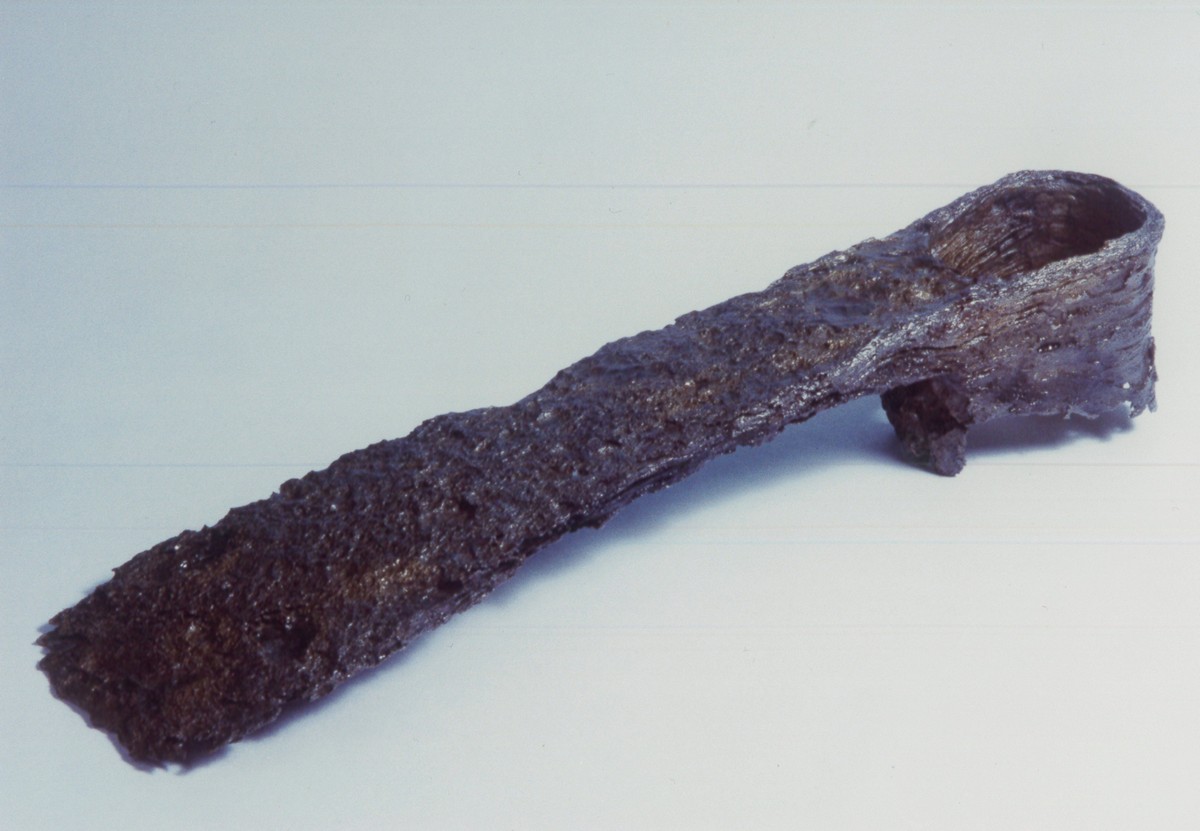
The Slavic hoe
Most widespread were cereals – barley or wheat, whose charred grains were found in the hillfort at Chotěbuz. A cereal crop from the Mediterranean area also was found here – the foxtail millet, whose presence gives evidence of contacts between the hillfort and Southern Europe. By examining the pollen, archaeologists also detected the use of buckwheat, rye, pea or lentil. People also cultivated flax, which yielded oil or textile fibres. You can see most of these plants in the exhibition. Can you find them?