

Clothing
From which materials and how the prehistoric and early medieval people have made their clothes?
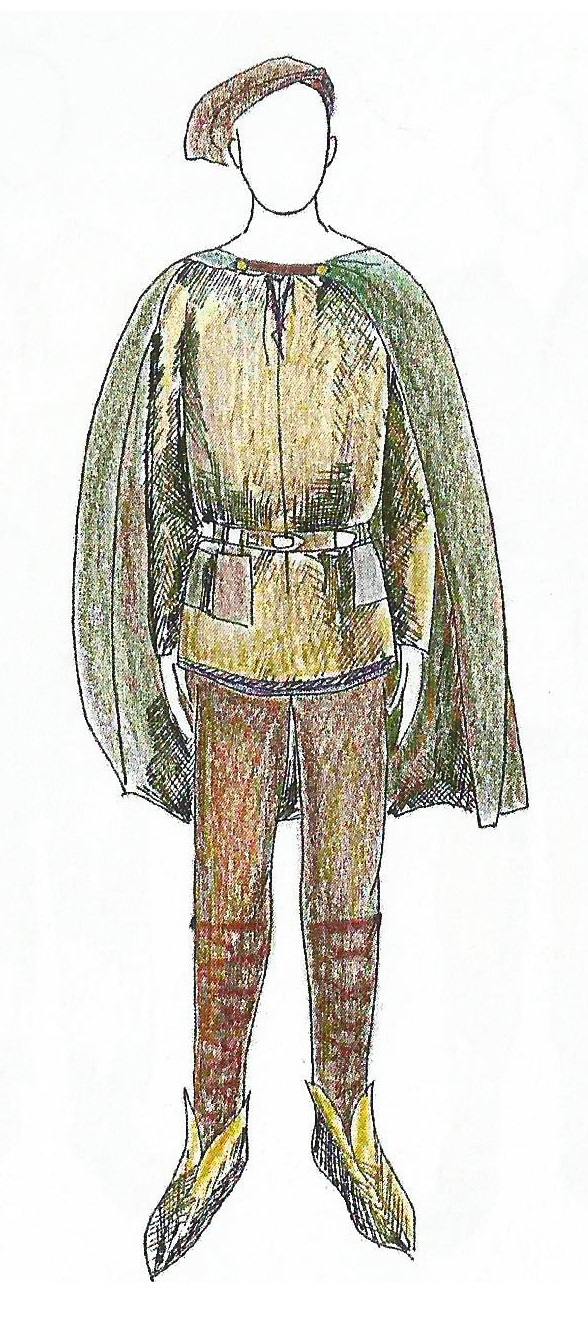
The Slavic noble man
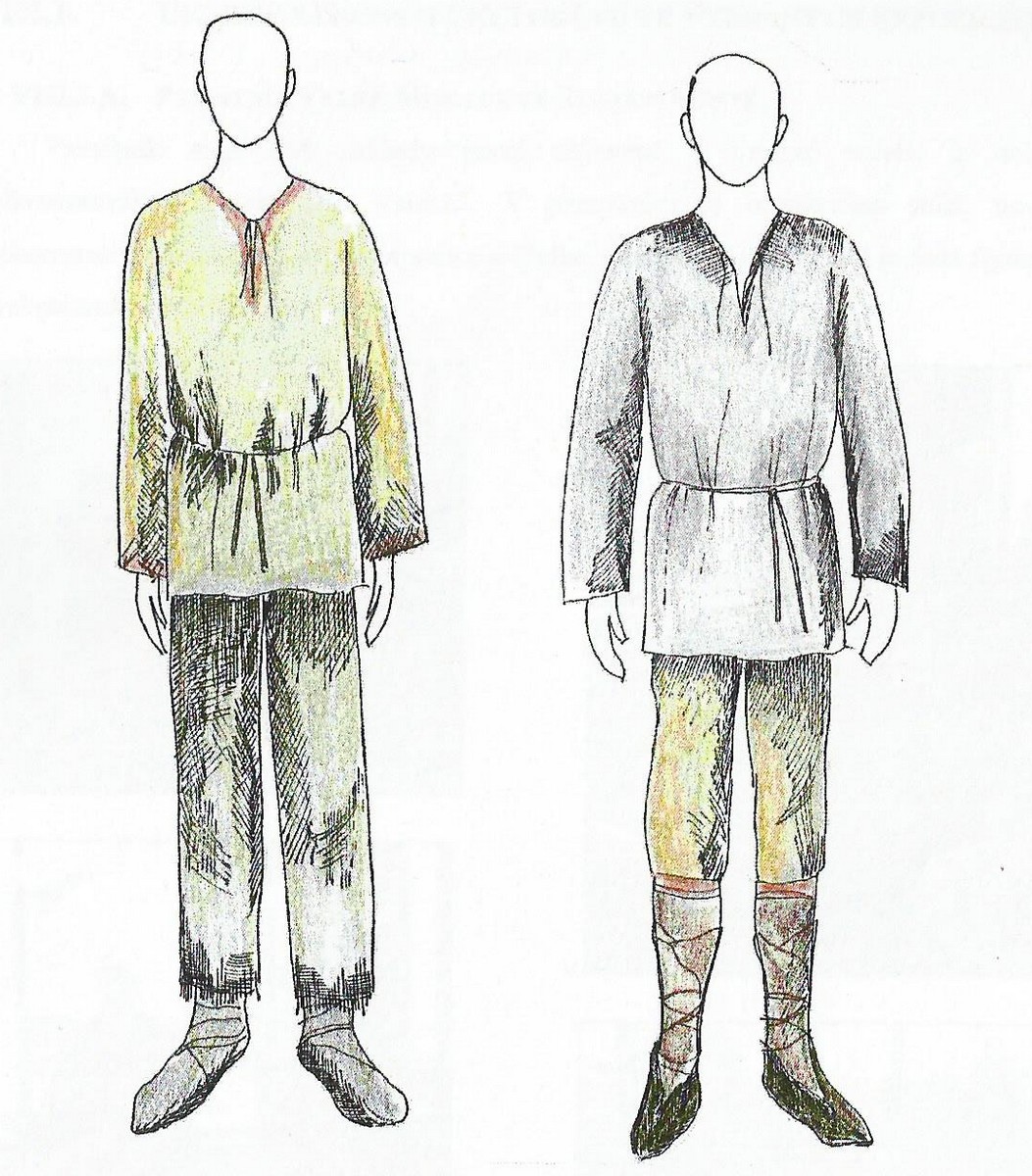
The Slavic village man clothes
Prehistoric clothes were probably made of wool, linen, leather and fur, which were processed by weavers and drapers. They used in their work various natural dyestuffs (e. g. tree leaves). The Slavs have also dressed according to their social status. Ordinary people mainly used clothes from linen and wool, whereas princes could also afford silk garments. Differences also occurred in how various colours were used. Princes had luxury red or blue, ordinary people mainly wore yellow, green and brown. Spinning of wool has been made with the help of spindle whorls, fabrics and other materials were cut by shears.
Did prehistoric and early medieval people like the “dressy” style?
Yes, they did! The Bronze Age people adorned themselves with various bronze and iron pins, glass beads, neck rings, large brooches, bracelets and decorative pendants in the form of various rings or spirals. One of these ornaments was also found at Chotěbuz. It is a large iron bracelet, which counts among the best preserved iron bracelets in the whole of Czech Silesia.
The Slavs also liked to decorate themselves with a wide spectrum of jewellery. Among typical personal ornaments were earrings from bronze or silver, rarely from gold. Also popular were lock-rings – ornaments applied to a headband or woven into hair. In the exhibition you can see a lock-ring found at Chotěbuz.
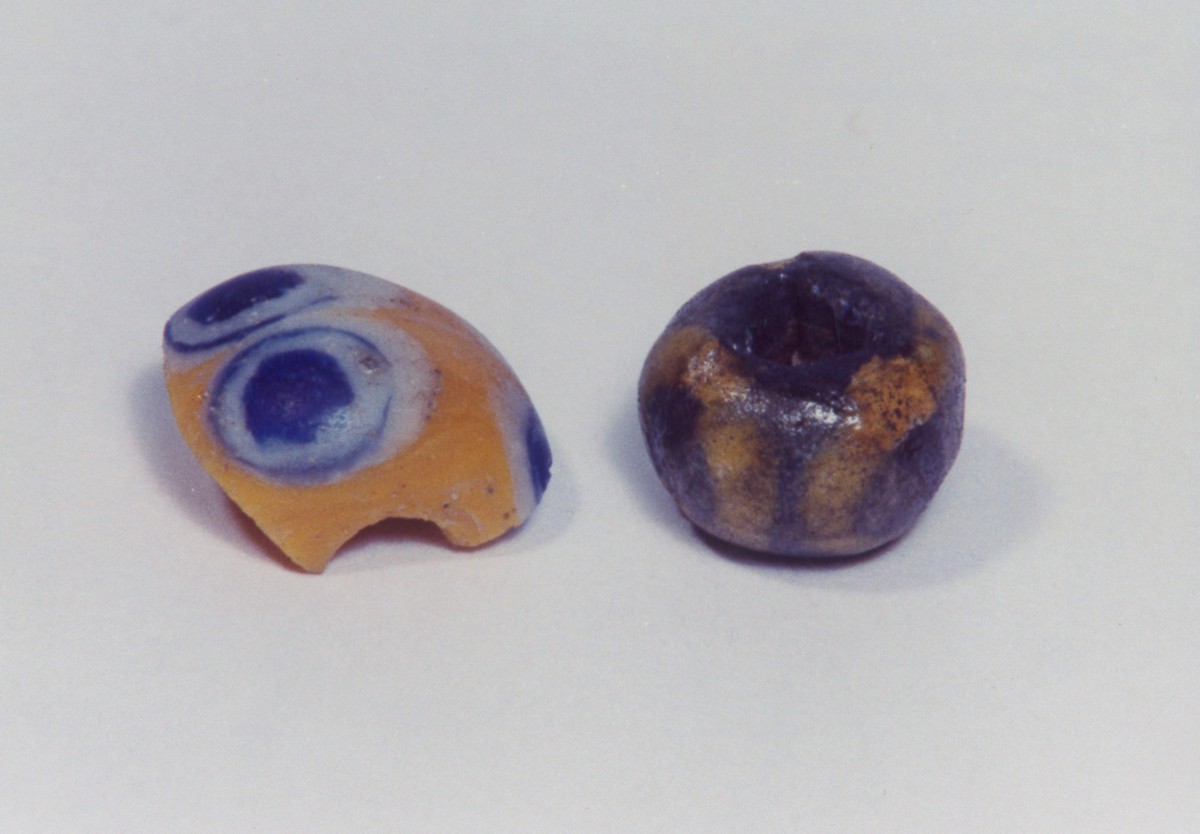
The Hallstatt beads
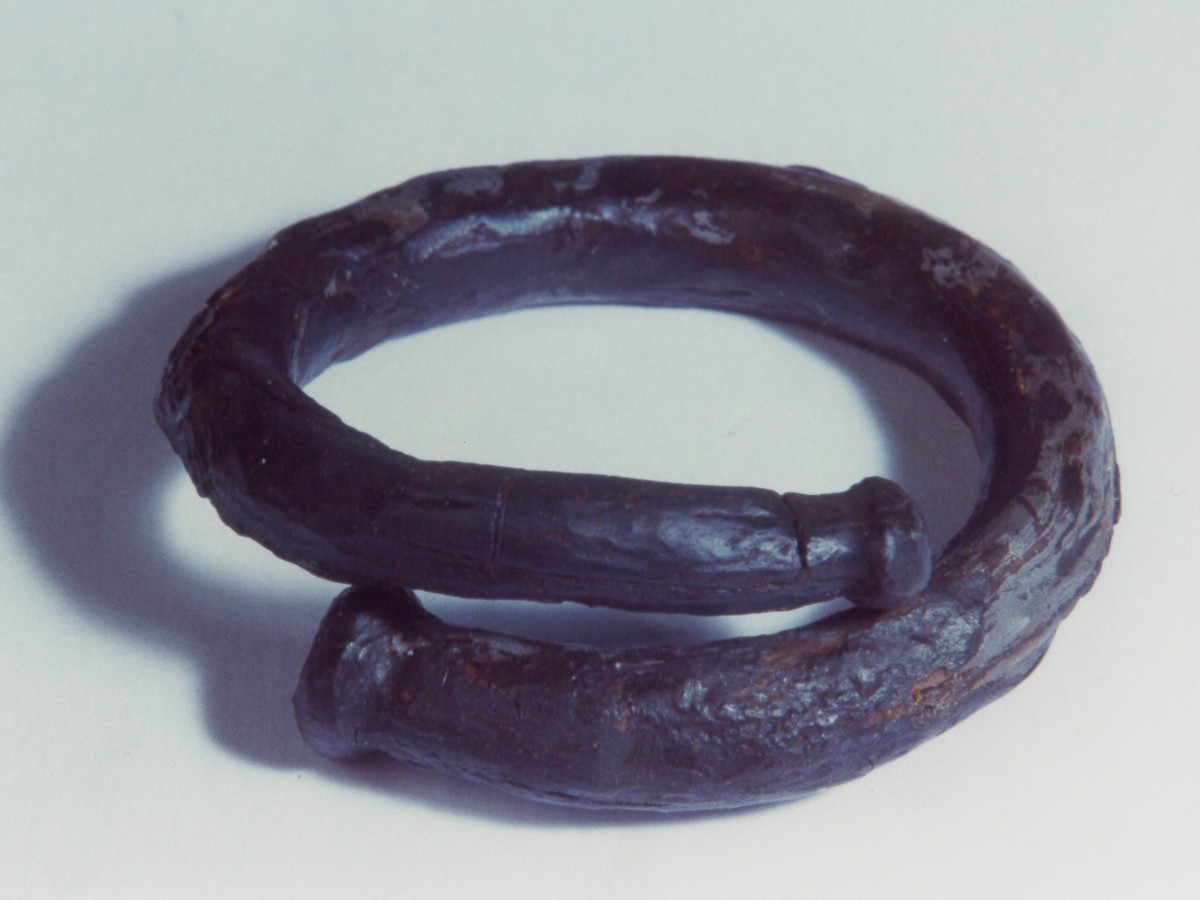
The iron Hallstatt bracelet
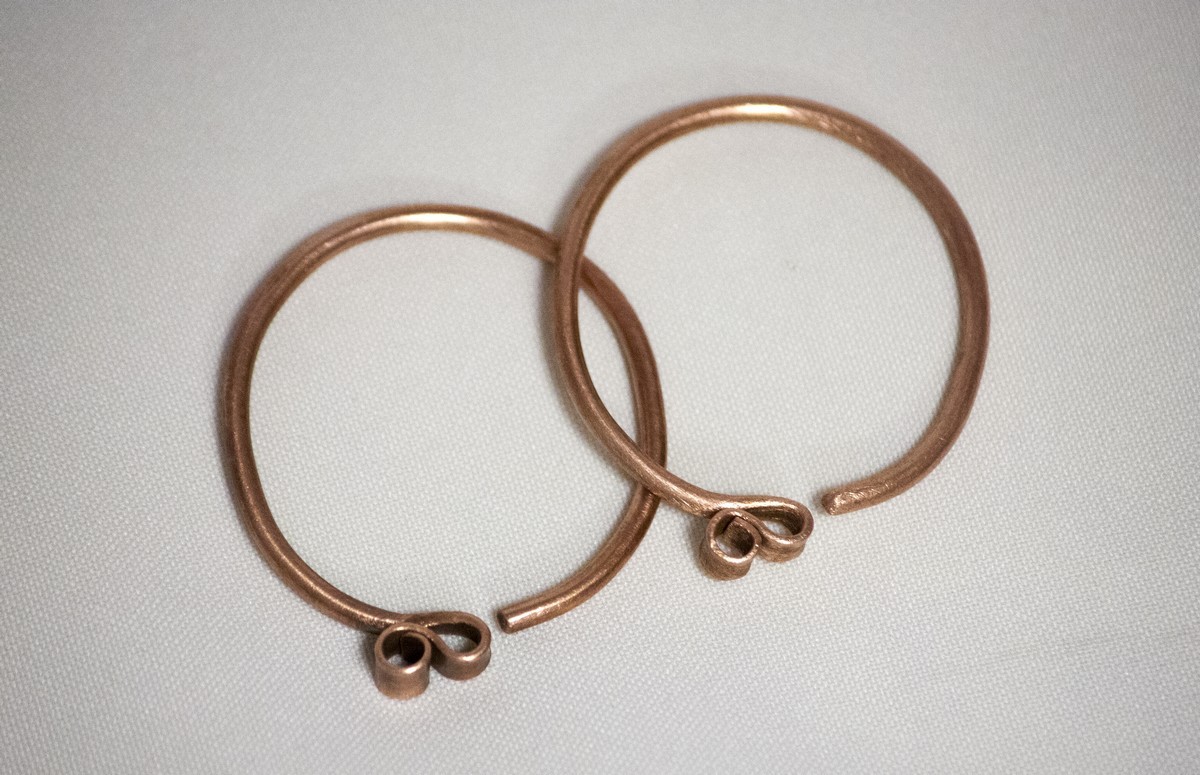
The lock-rings
In the Great Moravian environment also occurred strap ends or buttons, that is decorative spherical ornaments intended for fastening clothes together. Let’s see! Do you have a two-crown coin with you? Exactly such a button is pictured there! However, nothing of this kind was found at Chotěbuz.
The Slavs also produced glass beads of various shapes. Fragment of a large bronze bead was found at Chotěbuz. And you can take a look at two finger rings, which also occurred among archaeological finds from Chotěbuz.
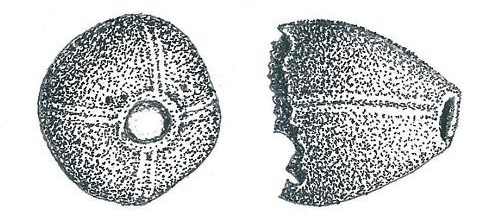
The bronze bead
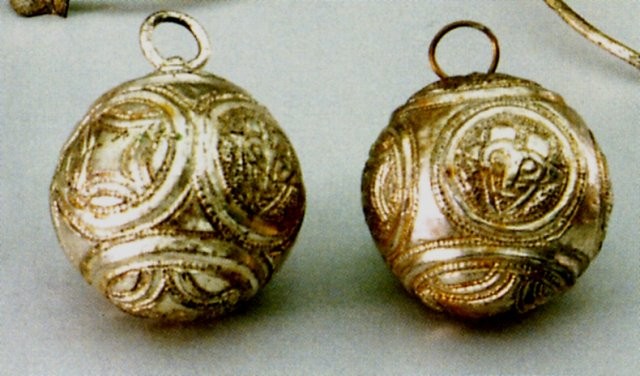
The decorative buttons
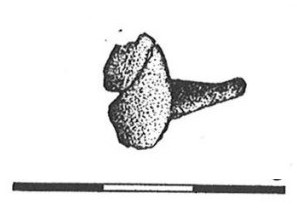
The ring